
By Elliot Dziedzic
August 7, 2026
Shank Painter Pond and Clapps Pond are the focus of an ongoing scientific research project examining the phenology of Provincetown's native amphibians—the timing of key seasonal behaviors such as breeding and calling. Long-term studies like this are essential because they provide scientists with one of the clearest ways to understand how wildlife responds to changing environmental conditions, including shifts in temperature, precipitation, habitat quality, and climate change. By documenting when amphibians begin calling, reach peak breeding activity, and complete their reproductive season, researchers can detect subtle ecological changes that may otherwise go unnoticed.
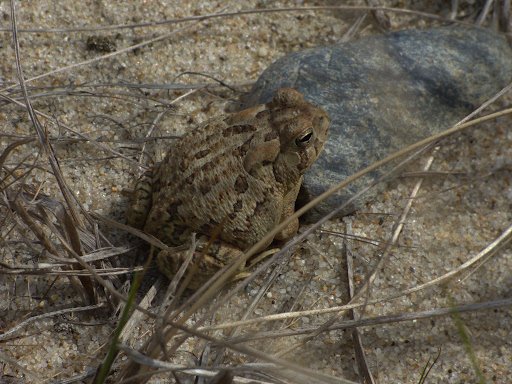
The study is led by Scott Smyers, President and Head Scientist of Oxbow Associates, in partnership with the Provincetown Conservation Trust and the Town of Provincetown's Open Space Committee. Using automated acoustic recording devices, the project monitors four native amphibian species: Fowler's Toad (Anaxyrus fowleri), American Bullfrog (Lithobates catesbeianus), Green Frog (Lithobates clamitans), and Spring Peeper (Pseudacris crucifer). Researchers also hope to document a fifth species, the Gray Treefrog (Dryophytes versicolor).
The Provincetown project is part of a broader network of amphibian monitoring efforts throughout New England, including studies at high-elevation ponds in New Hampshire's White Mountains. Data collected there formed the basis of the 2021 scientific paper Call Phenology in Rana sylvatica (Wood Frog) at High-Elevation Ponds in the White Mountains, New Hampshire. Using a decade of acoustic recordings, Smyers and his coauthors identified the beginning, peak, and duration of the Wood Frog's breeding season. Research of this kind establishes critical baseline data that allows scientists to measure how breeding cycles shift over time as ecosystems and climate continue to change.
At both Provincetown ponds, automated recording devices capture ten-minute audio samples seven times each day: at midnight, 3:00 a.m., sunrise, midday, 3:00 p.m., sunset, and midnight again. Each recording is carefully reviewed by listening to the audio and using Kaleidoscope acoustic analysis software to identify the species present and measure the intensity of their calls. As in the White Mountains study, calling activity is ranked on a scale from one to three, with three representing a full breeding chorus. These recordings provide valuable information about when each species becomes active, how long breeding seasons last, and how environmental conditions influence amphibian behavior from year to year.
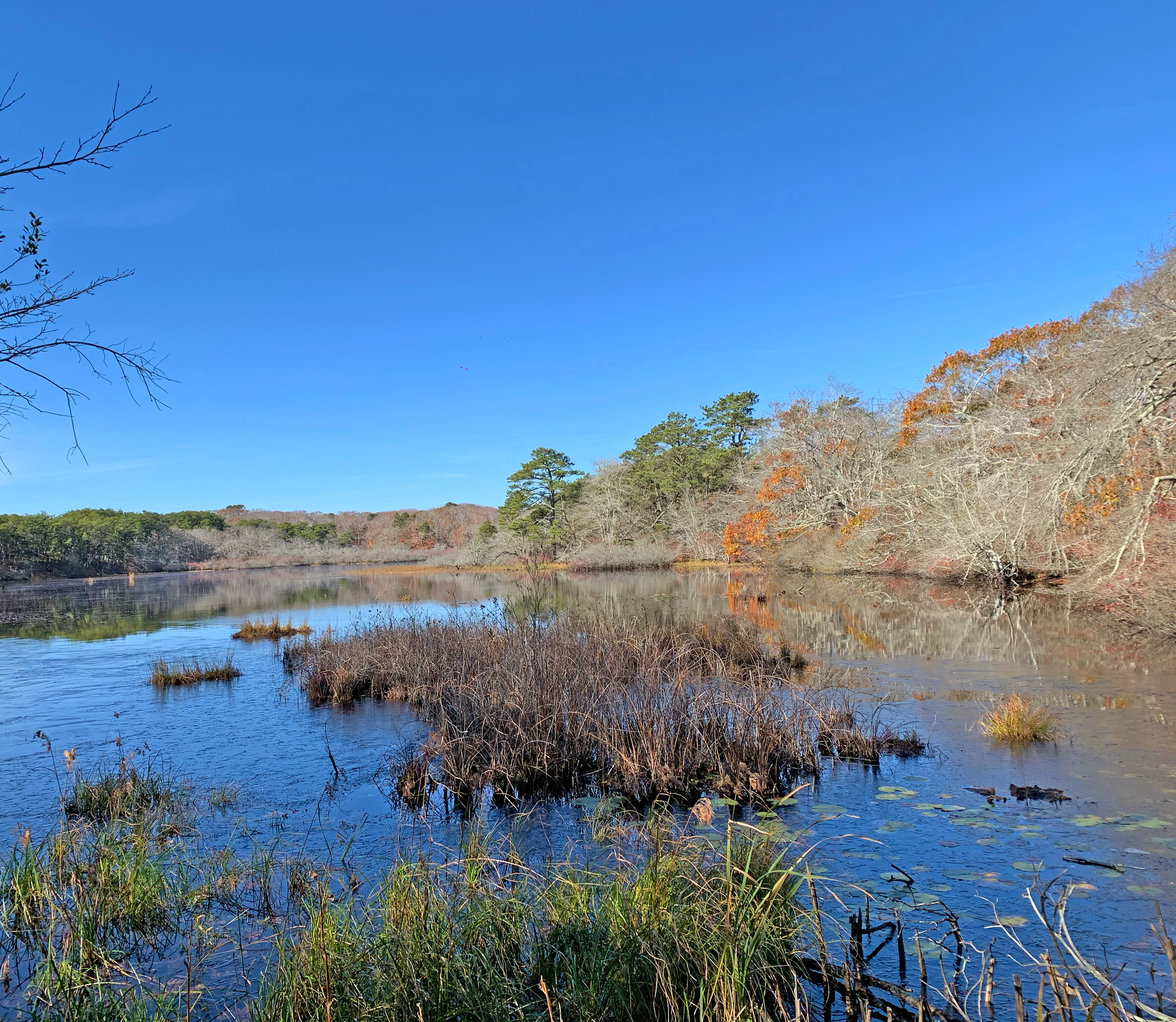
One of the study's most important monitoring locations is Shank Painter Pond, the largest known quaking bog on a barrier beach in the world. This remarkable wetland contains regionally significant and rare habitats that support a rich diversity of wildlife. The first amphibians to announce the arrival of spring are typically the Spring Peepers, whose unmistakable chorus often begins on mild nights in late March. As spring progresses, additional frog and toad species join the chorus, creating a detailed seasonal record of breeding activity that can be compared across years.
Amphibians are among the best biological indicators of ecosystem health. Because they rely on clean freshwater throughout their life cycle—particularly during reproduction—they are highly sensitive to changes in water quality, pollution, habitat loss, drought, and climate. Changes in their abundance, breeding behavior, or seasonal timing can provide an early warning that wetland ecosystems are under stress. Monitoring these populations therefore benefits not only amphibian conservation but also our understanding of the overall health of Provincetown's freshwater wetlands.
“Amphibians are among the best biological indicators of ecosystem health. ”
The recordings also highlight the extraordinary biodiversity of these conservation lands. While the project's primary focus is amphibians, the recording devices simultaneously capture the sounds of Provincetown's bird populations throughout the year. Common species recorded during the dawn chorus include Song Sparrows, Blue Jays, Canada Geese, American Crows, Wild Turkeys, Carolina Wrens, Pine Warblers, Red-bellied Woodpeckers, and Red-winged Blackbirds. Less frequently heard but equally important species—including Virginia Rails, American Woodcocks, and Eastern Screech Owls—have also been documented. These birds populations are less abundant on the cape and therefore is a sign that these ecosystems are important to conserve. These recordings provide a valuable archive for studying both resident and migratory bird populations alongside amphibian activity.
Although none of the amphibian species currently documented at Shank Painter and Clapps Ponds are listed as threatened in Massachusetts, another Provincetown native, the Eastern Spadefoot (Scaphiopus holbrookii), is designated as both Threatened and a Species of Greatest Conservation Need by the Commonwealth. Freshwater wetlands such as Shank Painter Pond, Clapps Pond, Duck Pond, the Bayberry Avenue Conservation Area, and the Old Colony Nature Pathway provide essential breeding habitat for these and many other native species. Protecting these wetlands also means protecting the surrounding forests, native vegetation, and natural buffer zones that maintain water quality and reduce disturbance. Healthy wetlands depend not only on the ponds themselves but also on the integrity of the surrounding landscape.
Perhaps the greatest value of this research lies in its long-term perspective. Ecological change often occurs gradually over decades, making continuous monitoring essential for understanding how species respond to changing environmental conditions. Every year of recordings adds to an increasingly valuable scientific record that can guide future conservation decisions, habitat restoration, and climate adaptation efforts.
Today, many years of acoustic recordings from Shank Painter Pond, Clapps Pond, and other Provincetown conservation areas remain unanalyzed. These recordings represent an extraordinary scientific resource waiting to be explored. As they are reviewed and cataloged, they will continue to deepen our understanding of Provincetown's wetlands, document changes in wildlife populations, and help ensure these remarkable ecosystems remain protected for generations to come.