By Elliot Dziedzic
July 22, 2026
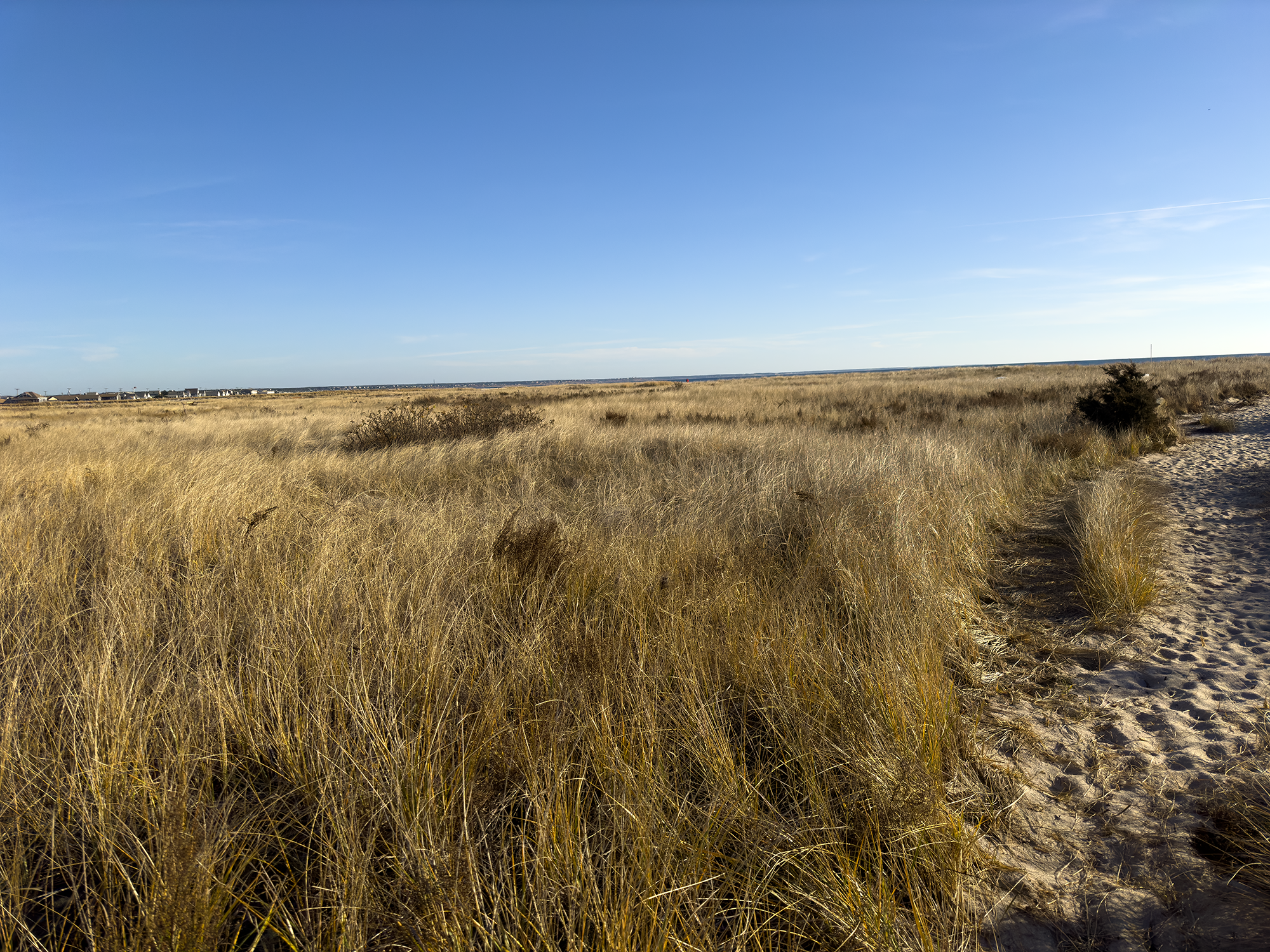
American beachgrass is a critical, yet often overlooked, component of Provincetown's dune and beach ecosystems. These fragile landscapes are constantly shaped by wind, storms, and human-caused erosion, all of which can degrade naturally occurring dunes and increase the risk of flooding and land loss across Cape Cod.
According to the Commonwealth of Massachusetts and the National Oceanic and Atmospheric Administration (NOAA), American beachgrass, combined with strategically placed sand fences, is one of the most effective natural solutions for rebuilding dunes and reducing coastal flooding and erosion. Healthy stands of beachgrass trap and stabilize more sand than other alternatives, forming broad, gently sloping dunes that are better able to withstand powerful storm surges. As a result, beachgrass is widely used in dune restoration and beach stabilization projects throughout the East Coast.
For these reasons, healthy beachgrass communities are essential not only for maintaining resilient dune ecosystems but also for protecting nearby homes, roads, and other infrastructure.
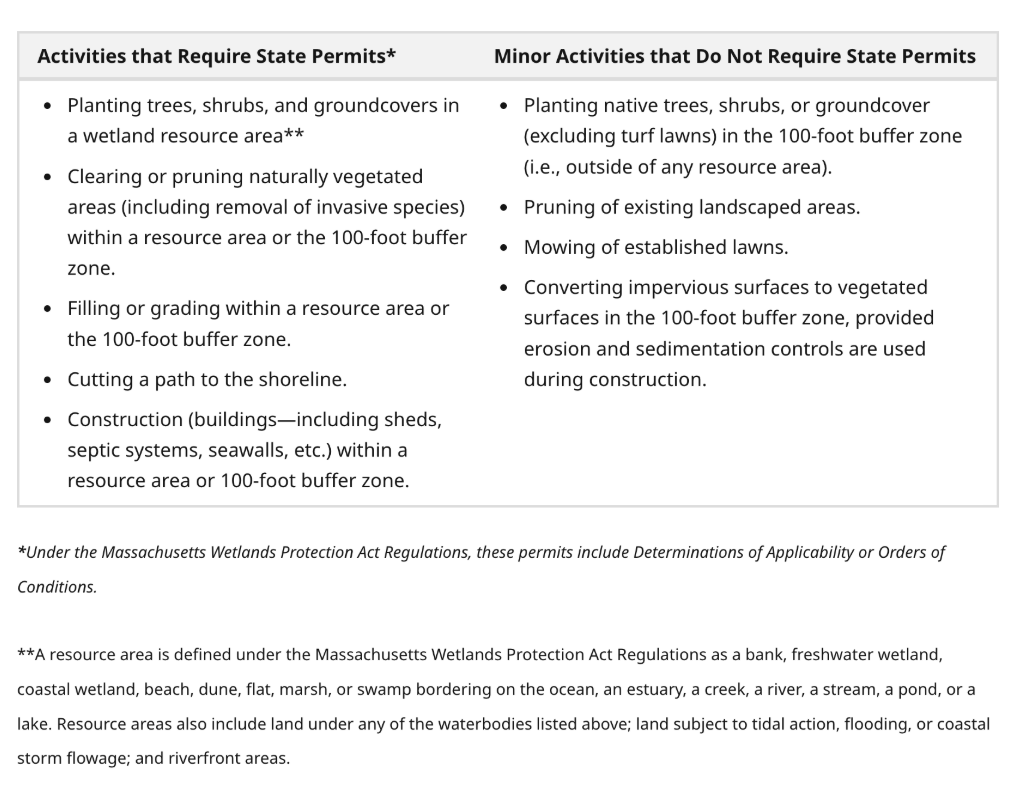
In Massachusetts, it is illegal to remove American beachgrass from either public or private property because of the vital ecological services it provides. The Massachusetts Wetlands Protection Act safeguards beachgrass and other sensitive coastal habitats by requiring permits for activities such as planting trees, shrubs, or groundcovers within protected resource areas; clearing or pruning naturally vegetated areas within a resource area or its 100-foot buffer zone; and cutting pathways to the shoreline. Coastal beaches, dunes, and other shoreline habitats are all considered protected resource areas under the Act.
Since 2005, there have been several instances in Provincetown where property owners were found liable for removing beachgrass without the required permits.
Although beachgrass is essential for maintaining healthy dunes that protect both people and wildlife, its use must be carefully managed. Endangered and threatened shorebirds, including piping plovers and least terns, depend on open upper-beach habitat for nesting. Consequently, dune restoration projects must balance the need for erosion control with the preservation of suitable nesting habitat.
Beachgrass is not the only plant species vital to Provincetown's coastal environment. Eelgrass (Zostera marina), often referred to as seagrass, grows in shallow coastal waters, forming dense underwater meadows at depths of up to approximately 10 meters (33 feet). These meadows provide critical habitat and nursery grounds for fish, shellfish, and countless marine organisms. They also stabilize the seafloor, improve water quality by trapping sediments, and store significant amounts of carbon dioxide, helping to mitigate climate change.
Despite its ecological importance, eelgrass is often overlooked. It is vulnerable to a variety of human-caused impacts, including excessive nitrogen pollution from coastal runoff, which promotes phytoplankton growth that blocks sunlight, as well as physical disturbance from boat moorings, propellers, and coastal development.
Fortunately, Provincetown's eelgrass meadows remain relatively healthy compared with many other parts of Cape Cod. Nevertheless, they continue to face ongoing pressures, and much of the Cape's historic eelgrass habitat has disappeared over the past century.
Recognizing its importance, the federal government has designated eelgrass habitat as both Essential Fish Habitat and Habitat Areas of Particular Concern, providing additional consideration and protection during coastal management and permitting decisions.
Although they exist in very different environments—one above the tide line and one beneath the sea—both beachgrass and eelgrass are indispensable to Provincetown's natural ecosystems. Together, they protect shorelines from erosion, reduce the impacts of storm surges, support wildlife, improve water quality, and help sustain the natural beauty and economy that make Provincetown unique. Protecting these habitats is an investment in the community's environmental resilience, public safety, and future.
Resources
https://academic.oup.com/bioscience/article-abstract/56/12/987/221654
https://www.wildlifetrusts.org/wildlife-explorer/marine/seaweeds-and-seagrass/common-eelgrass
https://www.mass.gov/info-details/coastal-landscaping-in-massachusetts-do-you-need-a-permit
https://www.capecodtimes.com/story/news/2007/04/27/p-town-couple-fined-for/52905283007/
https://www.provincetown-ma.gov/DocumentCenter/View/322/General-Bylaw-Ch-12?bidId=